


Blog
A moderate overbite is common and treatable, yet it can affect dental health, function, and confidence if ignored. This guide explains what a moderate overbite is, why it develops, potential consequences, and the most effective treatments available.


Save $250 off braces or Invisalign!*
Schedule your appointment online.
A moderate overbite is common and treatable, yet it can affect dental health, function, and confidence if ignored. This guide explains what a moderate overbite is, why it develops, potential consequences, and the most effective treatments available. If you suspect you or your child has a moderate overbite, learning the signs and solutions can help you make informed decisions and move toward a healthier, more balanced smile.

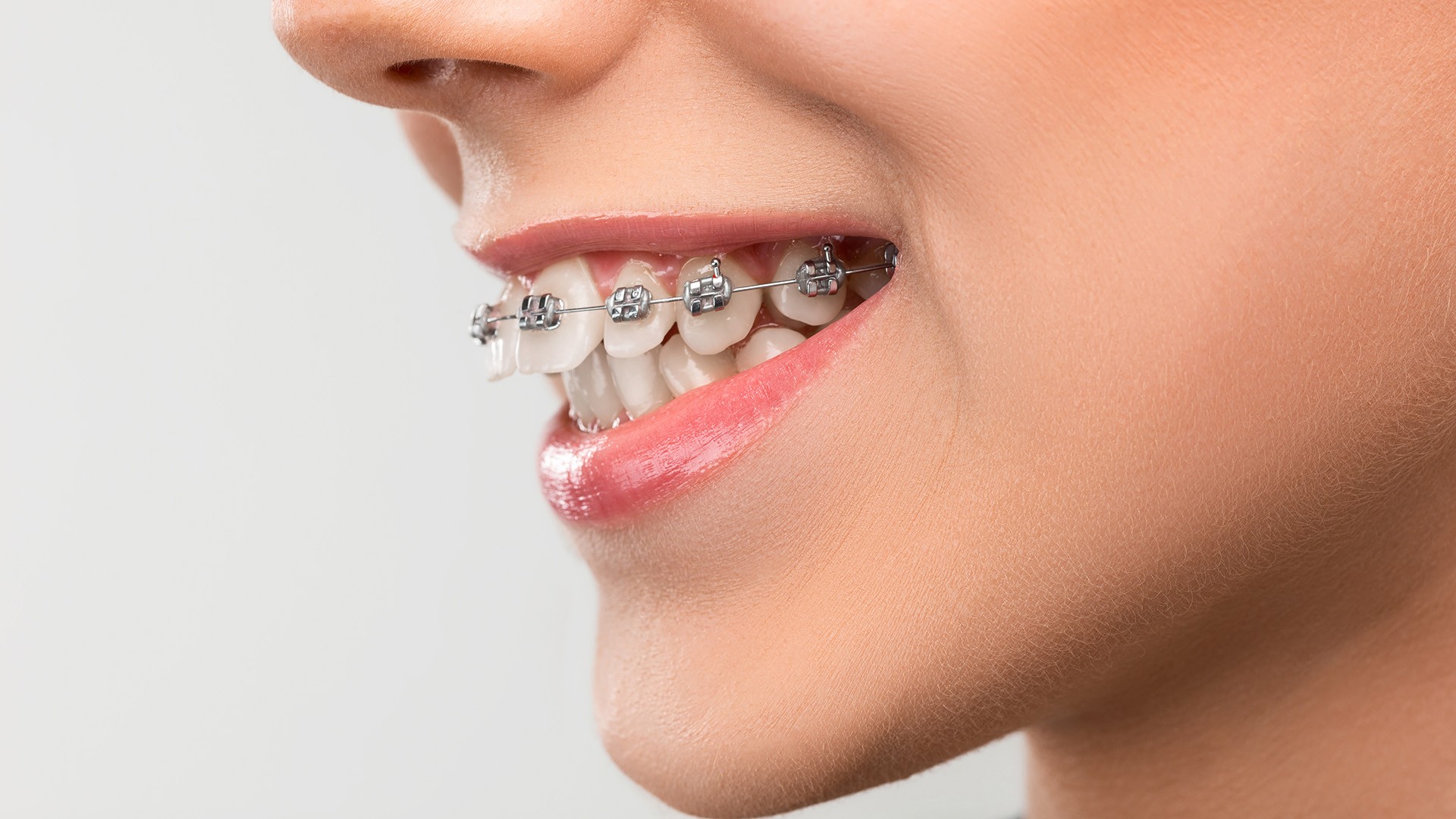
What Is a Moderate Overbite?
A moderate overbite is the vertical overlap of the upper front teeth over the lower front teeth that exceeds the ideal amount but is not severe. A normal dental overbite typically shows about 10–20 percent overlap. A moderate overbite generally ranges from 30–50 percent overlap. It differs from a deep or pronounced overbite, where the upper teeth may cover most of the lower teeth and create significant wear, and from a mild overbite, which may be subtle and less likely to cause symptoms.
Common signs include upper front teeth covering a noticeable portion of the lower front teeth when the mouth is closed, lower incisors partly hidden when smiling, and mild forward positioning of the upper teeth. Some people notice wear on the lower front teeth or occasional contact of the lower teeth with the palate behind the upper teeth. Recognizing whether you have a moderate overbite versus a pronounced overbite helps set realistic expectations for treatment and outcomes.
Moderate overbites affect all age groups. In children, jaw growth and habits can influence the bite. Teens often present with a moderate overbite as permanent teeth finish erupting. Adults seek treatment for aesthetic concerns, biting discomfort, or progressive wear. Without intervention, a dental overbite may remain stable or worsen based on growth patterns and dental changes.
Causes of Moderate Overbite
Several factors can contribute to a moderate overbite:
- Genetics: Inherited traits such as differences in jaw size, tooth size relative to arch length, and skeletal growth patterns can increase the vertical overlap of the front teeth. A family history of bite problems can raise the likelihood of developing a dental overbite.
- Childhood habits: Prolonged thumb sucking, extended pacifier use, and tongue thrusting can push upper teeth forward and lower teeth backward, deepening the overlap. Mouth breathing due to allergies or enlarged tonsils and adenoids can alter facial and jaw growth, influencing the bite and contributing to a moderate overbite.
- Dental and growth factors: Crowding, spacing, and tooth rotations affect how teeth fit together. A smaller or underdeveloped lower jaw or a more forward-positioned upper jaw can increase overlap. Abnormal eruption patterns and poor tongue posture can shift the bite. In adults, tooth wear, missing teeth, and gradual bite changes can maintain or worsen a pronounced overbite or a moderate overbite.
Consequences of Untreated Moderate Overbite
Leaving a moderate overbite untreated can lead to a range of issues:
- Dental health: Excessive overlap may cause uneven wear, chipping of the lower incisors, and enamel erosion. Lower teeth can impinge on the palate, irritating soft tissues. Tight contacts and crowding make plaque removal more difficult, increasing the risk of cavities and gum disease.
- Jaw comfort: Imbalanced bites can strain the temporomandibular joints, potentially contributing to jaw discomfort, headaches, or clicking.
- Function: Misalignment can affect speech clarity and reduce chewing efficiency. Some people experience cheek or lip biting and difficulty cutting food with the front teeth.
- Aesthetics and confidence: Concerns about tooth visibility, smile appearance, or wear-related changes can reduce self-esteem. Correcting a moderate overbite often improves confidence and supports better oral hygiene habits.
While a dental overbite may seem primarily cosmetic, untreated cases can progress. A pronounced overbite increases the chance of traumatic wear on the lower front teeth, making early evaluation advisable.
Treatment Options for Moderate Overbite
Orthodontic care is the most reliable way to correct a moderate overbite. The right plan depends on age, bite complexity, and personal goals.
- Braces: Brackets and wires guide teeth into alignment, resolve crowding, and refine the bite. Options include metal and ceramic brackets. Elastics are commonly used to improve the relationship between upper and lower teeth and reduce a dental overbite to a healthy range.
- Clear aligners: A series of custom trays gradually reposition teeth. Attachments and elastics may be used to address overbite and jaw relationships. Many moderate cases can be effectively treated with aligners when patients wear them as directed, including moderate overbite correction and improvements for a pronounced overbite in select scenarios.
- Removable appliances: Bite plates, functional appliances for growing patients, and specialty retainers can support bite correction, particularly in children and adolescents when jaw growth can be guided. In adults, appliances may be combined with braces or aligners to enhance results and stabilize a dental overbite correction.
- Adjunctive restorative care: In select cases, bonding or reshaping can improve tooth form to complement orthodontic treatment. These measures do not correct the underlying bite on their own but can refine aesthetics and function.
Early assessment is valuable. An orthodontic evaluation by age 7 can identify developing bite issues and guide interceptive strategies. Routine dental visits help track changes, manage habits, and maintain gum health. Adults also benefit from timely treatment to reduce risks of wear, gum problems, and jaw symptoms seen with a moderate overbite.
After active treatment, retention is essential. Custom retainers keep teeth and bite stable, protecting the investment in your smile. Your orthodontist will recommend a retention plan tailored to your needs to maintain correction of a dental overbite.
Choosing the Right Orthodontic Provider
Selecting an orthodontist for overbite correction involves expertise, technology, and patient experience. Consider the following:
- Comprehensive diagnostics: Look for a provider who uses digital scans, photos, and X-rays to understand your bite and create a customized plan for a moderate overbite or a pronounced overbite.
- Experience with moderate cases: Ask about results achieved with both braces and aligners, and the use of elastics, bite turbos, and functional appliances when appropriate. Confirm experience correcting a dental overbite across different age groups.
- Patient-centered care: Reviews and before-and-after photos can showcase outcomes and satisfaction. Consider appointment flexibility, comfort-focused care, transparent pricing, and clear communication.
To prepare for your consultation:
- List your concerns, including habits like clenching, mouth breathing, or nail biting.
- Collect dental records such as X-rays and recent cleaning reports.
- Discuss treatment timelines, costs, insurance options, and retention plans.
- Ask how your moderate overbite will be corrected, which tooth movements are planned, and whether any adjunctive therapies are recommended.
With the right orthodontic partner, most moderate overbites can be corrected efficiently, improving oral health, bite function, and confidence. Understanding the differences between a moderate overbite, a pronounced overbite, and a typical dental overbite helps you set clear goals and choose a treatment plan that fits your needs.